165 YEARS AGO: President Abraham Lincoln calls for increased military enrollment, which results in Federal troops pouring into Washington, D.C. By mid-May, talk turns from defense to offensive operations including an invasion of the South.

Exploring the most important 55 months in American history
165 YEARS AGO: President Abraham Lincoln calls for increased military enrollment, which results in Federal troops pouring into Washington, D.C. By mid-May, talk turns from defense to offensive operations including an invasion of the South.

OTD 165 YEARS AGO: George McClellan, a young but respected U.S. Army veteran, suggests a quick strike on the Confederate capital of Richmond. But Winfield Scott, the venerated U.S. General-in-Chief advises caution and prefers a more methodical approach.
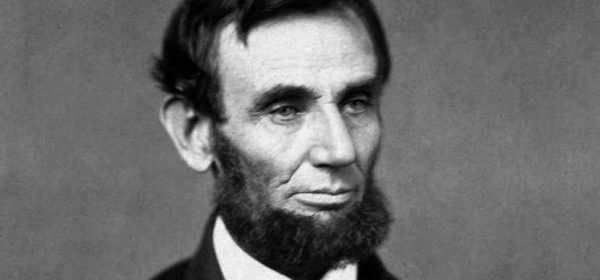
President Abraham Lincoln delivers a speech to supporters after his reelection is confirmed. Lincoln emphasizes the election’s significance amidst civil war, urging unity for the nation’s future.

Abraham Lincoln is decisively reelected as U.S. president. This ensures that the National Unionists and Republicans will continue waging war to destroy the Confederacy and reunite the Union.
By November, most pundits believe that President Abraham Lincoln and his Republican party will win the upcoming elections. However, the Republicans are not taking any chances as they team up with War Democrats to form a “National Union” party.

Delegates assemble at Chicago to nominate an opponent for President Abraham Lincoln in the upcoming election. But the party is split over how to deal with the Confederacy.