As doubts continue growing about President Abraham Lincoln’s reelection chances, Lincoln asks his cabinet members to endorse a confidential memo acknowledging that he would probably not win the upcoming presidential election.

Exploring the most important 55 months in American history
As doubts continue growing about President Abraham Lincoln’s reelection chances, Lincoln asks his cabinet members to endorse a confidential memo acknowledging that he would probably not win the upcoming presidential election.
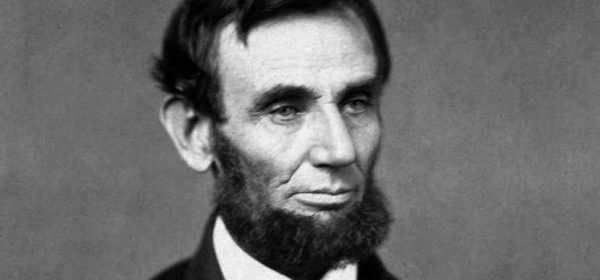
Plummeting northern morale puts President Abraham Lincoln under intense pressure to save his reelection hopes by renewing peace negotiations with the Confederacy.

Delegates to the National Union Convention re-nominate Abraham Lincoln for president as expected. Delegates draft a platform dominated by the Republican Party, but they opt to replace the current vice president with a southern Democrat supportive of the war effort.
Republicans and some Democrats supporting the war effort gather at Baltimore’s Front Street Theater on the first day of a convention to decide who would be the presidential and vice-presidential candidates in the upcoming national election. The re-nomination of Abraham Lincoln is a foregone conclusion, despite initial dissatisfaction with his record as president.

Disgruntled Republicans gather in Cleveland, Ohio, to nominate a presidential candidate that could defeat Abraham Lincoln in the upcoming election. But the convention proves less successful than many had hoped.

The Republican Party splits into factions as the presidential election approaches. Conservatives support Abraham Lincoln for a second term, while radicals look to replace Lincoln with Salmon P. Chase. This division makes headlines throughout the North.