The National Peace Conference opens in Washington with delegates from 11 states. The conference is led by ex-U.S. President John Tyler, but few believed that anything would come of it.

Exploring the most important 55 months in American history
The National Peace Conference opens in Washington with delegates from 11 states. The conference is led by ex-U.S. President John Tyler, but few believed that anything would come of it.

Abraham Lincoln expresses willingness to accept certain southern demands, but he reiterates that he will not accept any compromise with the South that might spread slavery into the territories.
The states of the upper South and the border with the North continue to contemplate joining the Deep South in seceding. Some, like Delaware and Maryland, resist secession while others, such as Missouri and Tennessee, show division and caution.

President-elect Abraham Lincoln disregards rumors of assassination and continues to reject any compromise proposals that might expand slavery.

Jefferson Davis and four southern senators deliver emotional farewell speeches before following their home states out of the Union. Davis defends secession as a state’s right, emphasizing the South’s grievances and the desire for peaceful separation.
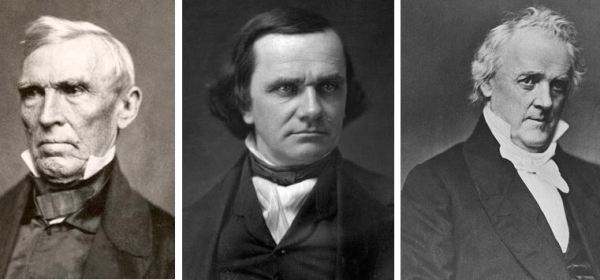
The Senate fails to adopt John J. Crittenden’s compromise plan due to Republicans’ refusal to expand slavery. This prompts more last-ditch efforts at conciliation, but it demonstrates the deep division that threatens to permanently break the Union.